July 28, 2026
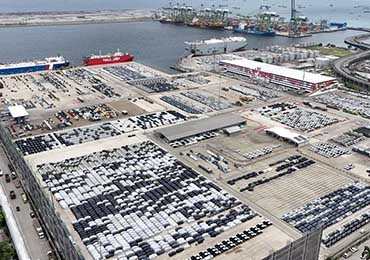
Jakarta, July 28, 2026. PT Indonesia Kendaraan Terminal Tbk (IDX: IPCC)—Indonesia’s largest vehicle terminal operator and a subsidiary of PT Pelindo Multi Terminal—has demonstrated that its digitalization-driven operational transformation is more than just a slogan; it is a tangible growth engine that has yielded positive operational results through the second quarter of 2026. On a consolidated basis, the Jakarta Branch and IPCC’s five satellite terminals recorded a 13.86% increase in operational performance—covering CBU (passenger vehicle) cargo, heavy equipment, buses, and trucks—representing a year-on-year addition of 74,886 units. Total vessel calls across all IPCC terminals reached 1,901 by June 2026, marking a significant 18.37% increase from the 1,606 calls recorded during the same period in 2025; this growth reflects the efficiency and reliability of operational services that have become increasingly digitalized and responsive to the needs of service users.
IPCC’s commitment to rigorous and structured corporate governance is clearly reflected in the balanced growth observed across nearly all cargo segments. Consolidated CBU (Completely Built-Up) volume through June 2026 totaled 446,406 units, representing a 4.98% increase—or an addition of 21,178 units—compared to the same period last year. The truck and bus segment experienced the most rapid growth at 53.52%, with handling volumes reaching 152,078 units, a year-on-year increase of 53,018 units. The heavy equipment segment also recorded steady growth of 4.35%, rising from 15,872 units to 16,562 units. This balanced growth across segments serves as tangible proof of the effectiveness of the operational control and capacity management systems consistently implemented by IPCC’s management team.
However, this consolidated operational performance growth needs to be viewed in a balanced manner. The rise in IPCC’s consolidated cargo traffic was primarily driven by an increase in domestic cargo traffic, whereas global—or import—cargo traffic actually showed a downward trend, mirroring the global slowdown in demand for imported vehicles. This situation also impacted the performance of the Jakarta Branch, which separately recorded a decline in both operational and financial results, driven by global geopolitical dynamics and a general slowdown in market demand for both domestically produced and imported vehicles. The significance of this matter warrants emphasis, given that the Jakarta Branch accounts for approximately 87% of IPCC’s total cargo volume, while the remaining 13% originates from five satellite terminals. Disparities in tariff levels and composition between the Jakarta Branch and the satellite terminals influence IPCC’s consolidated revenue performance. Although the satellite terminals achieved significant operational growth of 38.1%, this performance was insufficient to offset the pressure exerted by the Jakarta Branch on the company’s consolidated revenue, given the differences in scale and tariff structures between the two. Management views these dynamics as part of temporary external challenges and remains committed to strengthening risk mitigation strategies and diversifying growth sources across the terminal network.
IPCC’s solid performance aligns with the positive recovery of the national automotive industry. GAIKINDO data indicates that total national wholesale volume for CBU (Completely Built-Up) units from January to June 2026 reached 398,662 units, a 14.34% increase compared to the same period in 2025. Concurrently, the volume of CBU exports handled by IPCC rose by 11.78% to a total of 191,199 units, with Vietnam serving as the primary export destination. This underscores how measured and adaptive management has positioned IPCC as a reliable strategic partner within the national automotive ecosystem and the global automotive logistics chain, while also establishing a solid foundation for the company to sustain operational growth momentum amidst global market challenges. “The trust placed in us by all our service users serves as our greatest driving force to keep moving forward and delivering service wholeheartedly. Our operational performance growth from January to June 2026 reflects the commitment of the entire IPCC team to providing vehicle terminal services that are increasingly fast, reliable, and aligned with international standards. We also recognize that the dynamics of domestic and global traffic—including the pressures faced by the Jakarta Branch due to geopolitical conditions and market slowdowns—represent real challenges that require careful management. Consequently, we continue to drive technology-based service transformation, enhance cargo handling efficiency, and expand our Satellite Terminal network to ensure IPCC’s growth is balanced and sustainable. Looking ahead, we aim to match or surpass last year’s performance as we prepare for the rising volume of electric and hybrid vehicles, which are increasingly dominating Indonesia’s automotive export-import activities,” said Bagus Dwipoyono, Director of Operations and Engineering and Acting President Director of IPCC.
With an increasingly robust operational foundation and a continuously evolving national automotive industry ecosystem, IPCC is optimistic about closing 2026 with competitive and sustainable performance. The Company will continue to focus all its energy and resources on enhancing service quality—ensuring that service users genuinely experience the benefits at every operational point across the terminal, whether at the Jakarta Branch or within the Satellite Terminal network. “We are here not merely to record growth figures, but to ensure that every service user experiences the tangible value of our services; that is the standard we will continue to pursue through the end of this year and beyond,” concluded Bagus.
Integrated Auto Solutions
IPCC, Leading to be The World Class Car Terminal Ecosystem #IPCCTerminalKendaraan #IPCCIntegratedAutoSolutions #PelindoGroup #IndonesiaMaritimeGateway
-- end --